
Nicole Martin, Finance and Systems Coordinator at MAP
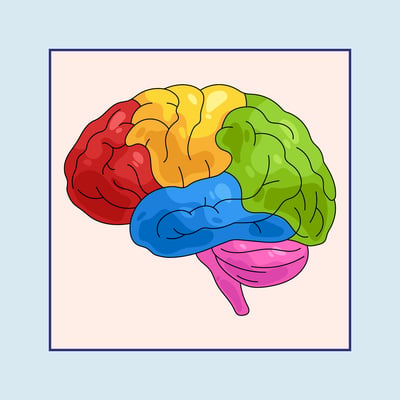
Neurodiverse is a term that lends itself to a wide range of conditions. The word “neurodiversity” was coined in 1998 by Australian sociologist Judy Singer, later leading to the term neurodiverse.
As the word suggests, it relates to the diversity of human brain functions, typified by thinking, learning and behaving differently to ways considered “neurotypical”.
These differences are called “neurotypes”, which are characterised by common experiences among those with a particular neurotype.
Neurotypes include, but are not limited to:
- Autism
- ADHD (Attention Deficit Hyperactivity Disorder)
- Mental Health (e.g. Obsessive Compulsive Disorder, Bipolar Affective Disorder, amongst others)
- Brain Injury
- Learning disability
- Dyslexia
- Dyscalculia
- Dyspraxia
- Tourette syndrome
A great resource to learn more about each neurotype is Genius Within.
Different how?
Neurodivergent people have different strengths and challenges to neurotypical people. While members of each neurotype are likely to have similar experiences, these still vary widely from person to person. After all, no two people’s brains are the same.
While this means that there is no normal for human brain function, medical and social constructs often rely on categories or definitions for ‘normal’. This provides a framework for identifying the differences and diversity of the ways the human brain can function. Acknowledging and understanding these differences empowers people to work with their particular strengths and challenges, ensuring they are able to learn and recognise tools that will help them succeed.
Neurodivergence and disability
The social model of disability is an important consideration when talking about the overlap of neurodivergence and disability. The social model, a phrase conceived by Mike Oliver in 1983, outlines that disability is an interaction between impairment and environment – specifically, that disability exists when social constructs do not allow for accommodations to be made. A common example used to illustrate the model is a building that has no ramp access. In this case, the barrier is the lack of accessibility rather than an individual who uses a wheelchair.
For some people, the impacts of their neurodivergence leads them to identify as living with a disability, while the same may not be true for another person with similar experiences. It’s highly individual. This Psychology Today article goes into greater detail.
The interaction between neurology and environment is a significant factor for neurodiverse individuals. Some settings align with their needs, while others can cause discomfort and distress. The disability exists when environmental demands and neurology are mismatched. Similarly, some people describe their neurodivergence as a ‘superpower’ – this occurs when the environment allows them to flourish.
Supporting people with neurodivergence
Supporting people with neurodivergence comes in several forms. One of the most important is social change to make environments and systems more inclusive and accommodating. This supports people’s strengths and challenges, without forcing them to conform to standards that may be unrealistic.
Communication is another key element. Listening to people and truly hearing their experiences, along with communicating in a personalised, preferred way makes all the difference. For example, some people do better with written communication than verbal. Try to give people the tools they need.
And remember all individuals, neurodivergent or neurotypical are exactly that – individuals. No two people are the same, have the same experiences, capabilities or struggles, regardless of a shared neurotype. Respect, curiosity and support are key to helping anyone succeed.